 English
 French
 Português do Brasil
 German
 Japanese
 Russian
 Spanish
 Dutch
Dutch Czech
Czech Arabic










The Ultimate Guide to Choosing the Perfect Outfit: Style, Comfort, and Confidence

Choosing the Perfect Outfit: A Guide to Dressing for Confidence and Comfort
When it comes to fashion, choosing the right outfit can make a significant impact on how we feel and how we present ourselves to the world. From casual days to formal events, your clothing choices should reflect both your personality and the occasion. In this guide, we'll explore how to make thoughtful and stylish choices that boost your confidence and ensure comfort throughout the day.
1. Understand the Occasion
The first step in selecting the perfect outfit is understanding the occasion. Whether it’s a workday, a night out, or a casual gathering, the context plays a huge role in your outfit selection.
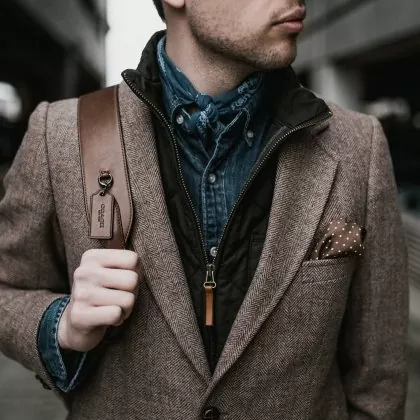
- Professional Events: For work or formal settings, aim for smart and polished outfits. A tailored suit or a professional dress can convey authority and sophistication. Stick to neutral colors like navy, black, or gray, and avoid overly casual pieces like t-shirts or sneakers.
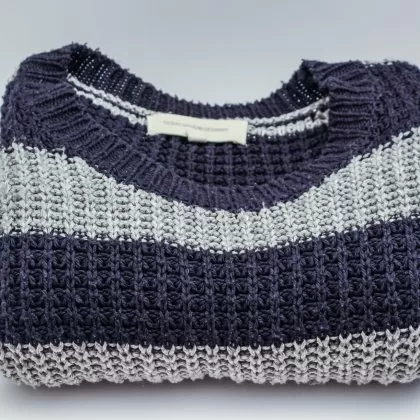
- Casual Days: For a more relaxed vibe, opt for comfortable yet stylish pieces such as well-fitted jeans, casual blouses, and lightweight sweaters. Accessories can add personality without compromising comfort.
- Special Occasions: For weddings, parties, or dinners, choose outfits that reflect the formality of the event. A chic dress or a well-fitted blazer paired with tailored trousers is always a safe choice for women, while men can go for a sharp suit or a dress shirt with a tie.
2. Fit Over Trend
While trends are fun to explore, fit should always come first. Clothing that fits well not only looks better but also feels more comfortable.
- Tailoring is Key: A good tailor can help turn a generic piece of clothing into something extraordinary. Whether it's a blazer that needs slimming or pants that need shortening, tailoring ensures your clothes fit your body shape perfectly.
- Avoid Overly Tight or Loose Clothing: Clothing that is too tight can feel uncomfortable and may highlight areas you'd prefer to downplay, while overly loose clothing can look sloppy. Choose items that flatter your body type and make you feel at ease.
3. Embrace Your Personal Style
Fashion is a form of self-expression, and embracing your unique style can make you feel more confident in your clothing choices.
- Experiment with Colors: Bright, bold colors can energize your look, while neutral tones create a more sophisticated and timeless feel. Don’t be afraid to experiment with colors that complement your skin tone, and play around with patterns like stripes, florals, or checks for added interest.
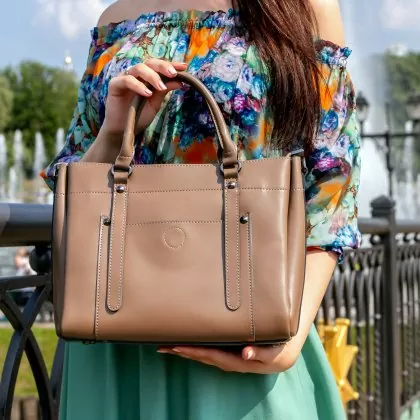
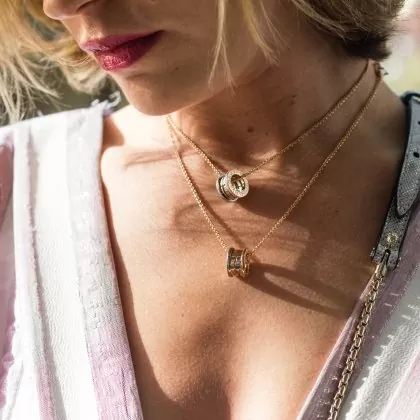
- Accessories Matter: Accessories like scarves, jewelry, hats, and belts can elevate even the simplest outfit. A statement necklace or a pair of bold earrings can turn a plain dress into something memorable. Choose accessories that reflect your personality—whether they’re sleek and minimalistic or bold and eye-catching.
4. Comfort is Key
Fashion doesn’t have to be about sacrificing comfort for style. The best outfits are those that make you feel good, both physically and emotionally.
- Consider Fabric: Fabrics like cotton, linen, and wool are breathable and soft against the skin, making them perfect for everyday wear. For formal events, look for high-quality fabrics like silk, satin, or wool blends that drape beautifully.
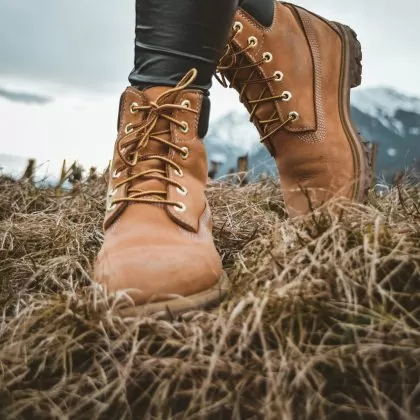
- Footwear: Comfortable shoes are a must. Choose footwear that complements your outfit and fits well. While heels might be the go-to for some formal events, opt for block heels, wedges, or stylish flats if you're looking for all-day comfort without sacrificing style.
5. Create Versatile Looks
Investing in pieces that are versatile and can be mixed and matched helps build a wardrobe that’s both stylish and functional.
- Wardrobe Essentials: Classic items such as a well-fitted blazer, a little black dress, tailored trousers, and a good pair of jeans can be dressed up or down depending on the occasion. A neutral-colored sweater or button-down shirt can pair with almost anything, making it an essential part of your wardrobe.
- Layering for Flexibility: Layering allows you to adapt your look throughout the day. A cardigan, denim jacket, or leather jacket can be added or removed to suit different temperatures or settings.
6. Consider the Weather and Season
Your choice of clothing should also take into account the weather and the season. Dressing appropriately for the weather not only keeps you comfortable but also helps you maintain a polished appearance.
- Summer Outfits: Opt for lightweight fabrics like linen or cotton to keep cool. Dresses, shorts, and breathable tops work well for warmer months.
- Winter Outfits: For colder months, layering is key. A stylish coat, scarves, boots, and knit sweaters keep you warm without sacrificing style.
- Transitional Pieces: Invest in pieces that can be worn year-round. A versatile jacket, long-sleeve tops, and scarves are perfect for transitioning between seasons.
7. Confidence is the Best Accessory
No matter what you wear, confidence is the ultimate key to pulling off any outfit. If you feel great in your clothing, it will show. Stand tall, smile, and own your look.
Conclusion
Choosing the perfect outfit is about more than just keeping up with trends; it's about finding what makes you feel confident, comfortable, and true to yourself. By considering the occasion, prioritizing fit, embracing your personal style, and choosing versatile pieces, you can curate a wardrobe that serves both your style and your lifestyle. Remember, the best outfits are those that make you feel like the best version of yourself—comfortable, confident, and ready to take on the day.